SERVICE
Full removal and replacement of siding with widespread hail or wind damage, upgraded to materials that actually hold up in Central Arkansas.
We'll follow up to schedule a free on-site estimate.
Widespread denting, cracking, or wind damage across several walls — rather than one small area — usually means the siding has taken a major storm hit rather than needing a quick repair. Siding older than 20 years, especially if it was never upgraded, often can't be matched with new panels even for a repair, making replacement the more practical option. Rising energy bills, visible moisture damage behind multiple sections, or soft spots near windows and doors are also strong indicators that a full replacement is the better long-term investment.
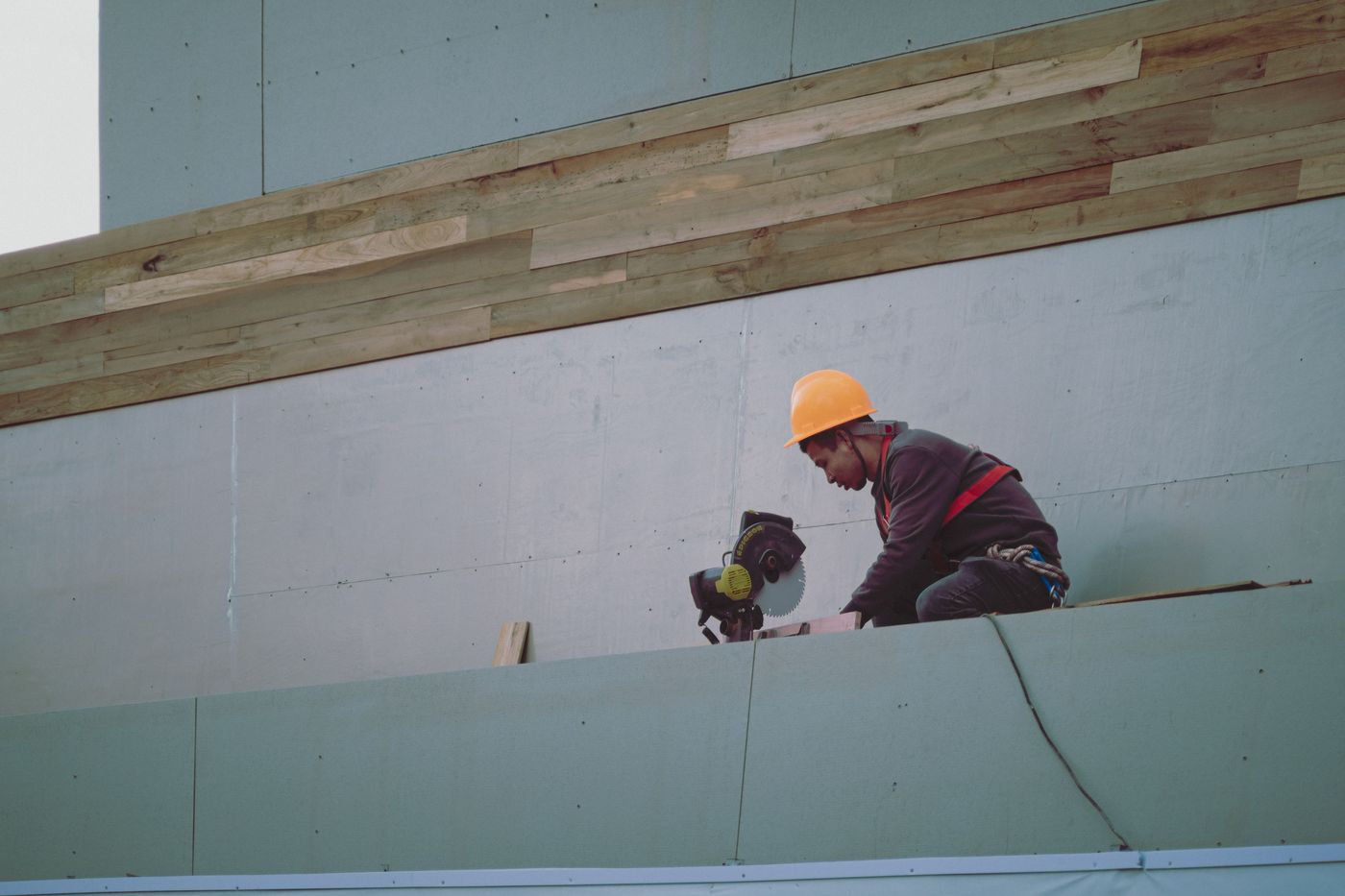
Replacement starts with full removal of the old siding, which also gives the crew a chance to inspect the wall structure beneath for any hidden moisture or structural damage that needs repair before the new siding goes on. A new house wrap is installed to improve moisture protection. New panels go on with proper fastening and expansion gaps, sized and fitted for Central Arkansas's hail and wind conditions. Trim, corners, and flashing are completed last, with particular attention to sealing every point where water could otherwise get behind the new siding.
Total exterior square footage is the biggest cost driver. Material choice matters too — moving from standard vinyl to fiber cement adds material cost but improves long-term storm performance (see our vinyl and fiber cement pages for a closer look at each). Whether the crew finds structural or moisture damage during removal also affects the final cost, since it needs repair before new siding goes on.
If damage is limited to a small area and the rest of the siding is holding up well, repair is typically the faster, less expensive route. Replacement makes more sense once damage is spread across multiple walls, the siding is old enough that matching panels aren't available, or there's moisture damage in more than one location.
Widespread denting, cracking, or wind damage across multiple walls, or siding older than 20 years, usually points to replacement being the better long-term option compared to repeated repairs.
Most residential replacements take one to two weeks, depending on the size of the home, the material chosen, and whether any structural repairs are needed underneath the old siding.
Any moisture or structural damage found during removal is repaired before new siding is installed, since covering existing damage with new panels would only let the problem persist beneath the surface.
Yes — replacement is a common opportunity to switch from an older material to one with better storm resistance, such as moving from vinyl to fiber cement.
Yes, full replacement after a major hail or wind event is commonly handled through an insurance claim — we can help document damage to support that process.
Little Rock Siding Contractor handles full siding replacement from removal through final trim, using materials and installation methods built for Central Arkansas's storm exposure. If a major storm has caught up with your siding, replacement is the chance to start over with something built to actually hold up here.