MATERIAL
Brick is the region's default exterior, and stone veneer is a close second for accent walls and porches — both are built to outlast the house, but they still need real repair work when mortar, flashing, or a veneer panel fails.
We'll follow up to schedule a free on-site estimate.
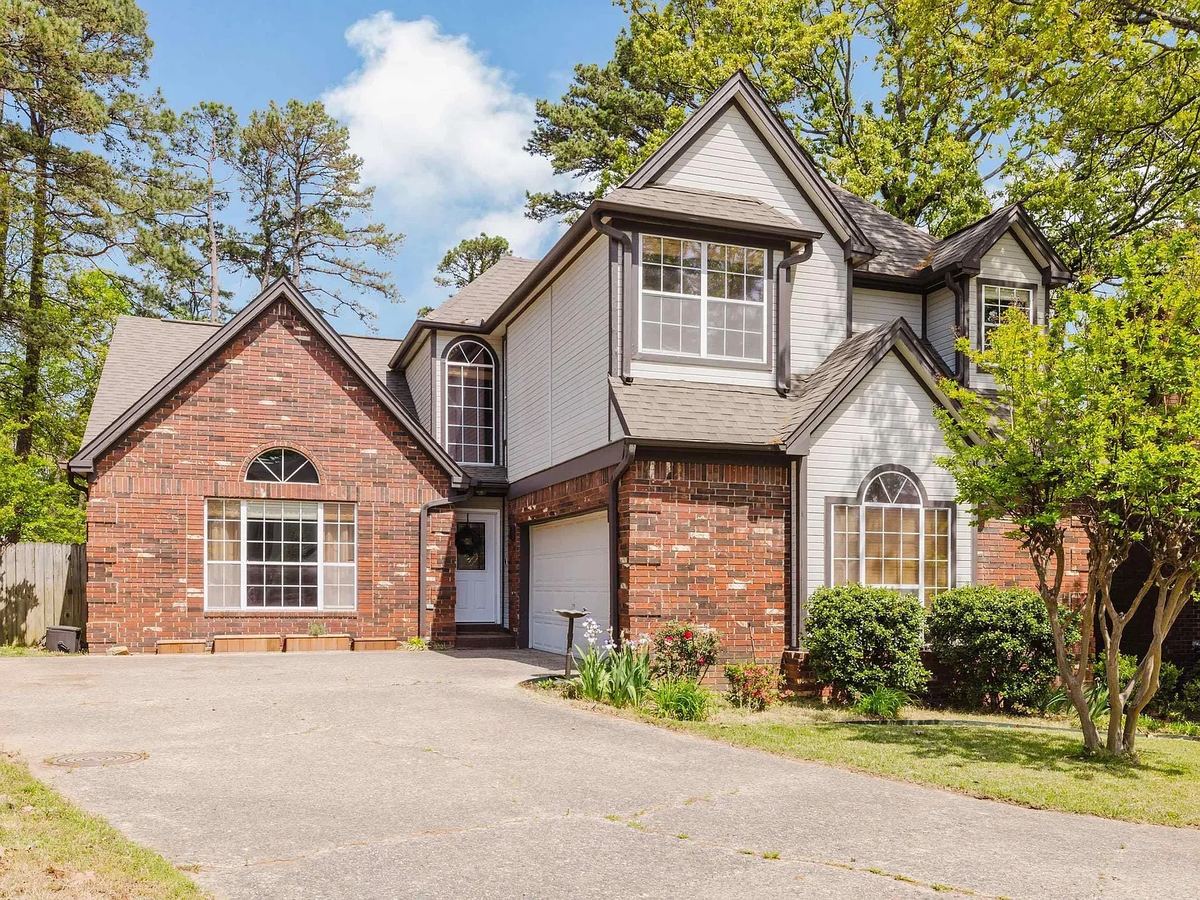
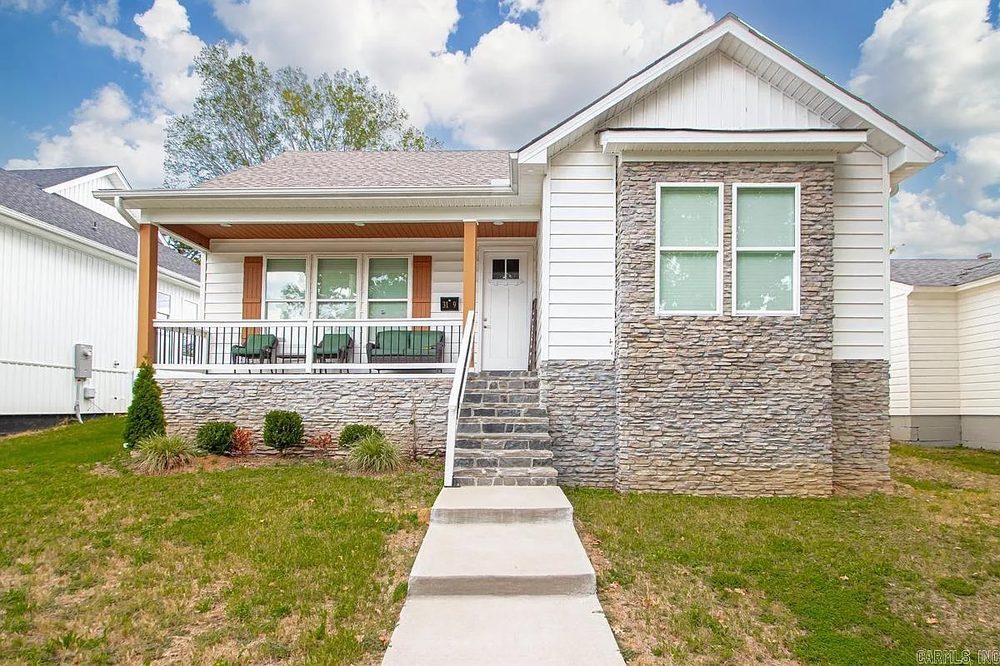
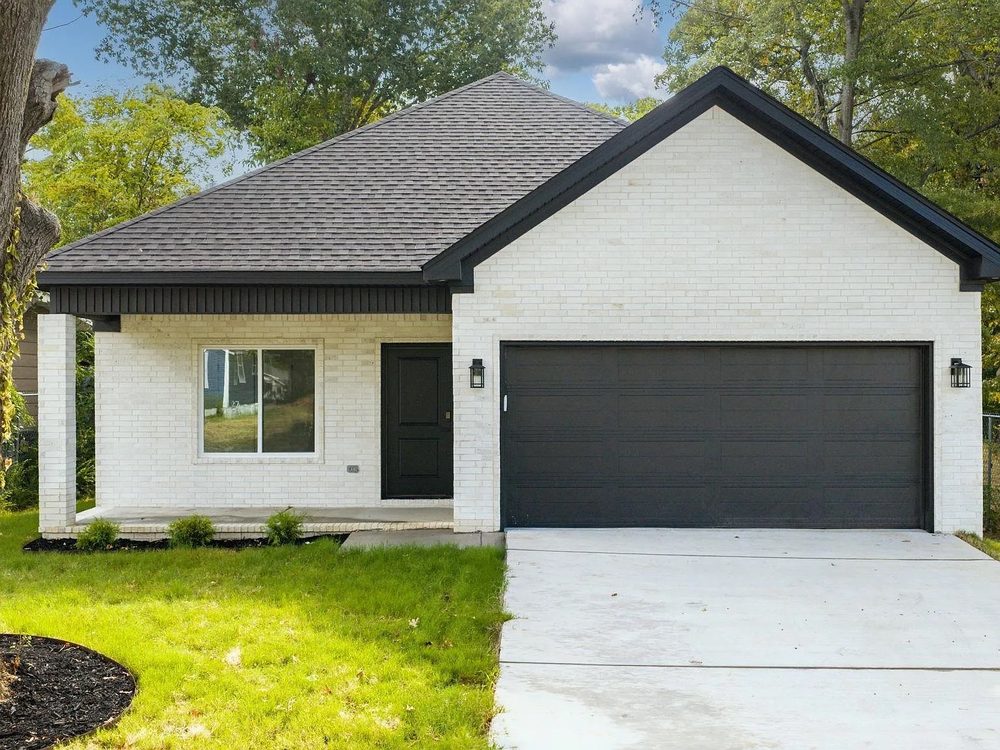
Brick is the dominant exterior material across the South, and Little Rock is no exception — a large share of the metro's homes are brick or have a brick primary elevation with siding on the remaining walls. Stone veneer shows up most often as an accent: porch columns, a front-facing wall, or a fireplace surround, paired with vinyl or fiber cement elsewhere on the house. Because both materials are built to last a century or more, most of the work we do here isn't installation from scratch — it's repair, tuckpointing, and handling the transition points where brick or stone meets siding, which is where water problems actually start.
Cracked or crumbling mortar joints are the most common call, usually from decades of freeze-thaw cycles and Central Arkansas's humidity working on the joint material faster than the brick or stone itself. Efflorescence — the white, chalky staining that appears on brick and stone — points to moisture moving through the material and is usually a sign of a flashing or drainage issue behind it rather than a problem with the brick itself. Loose or detached stone veneer panels are a safety issue as much as a cosmetic one, and usually mean the original adhesive or mechanical fastening has failed. We also handle the seams where brick or stone meets vinyl or fiber cement siding, which is one of the most common places for water to get behind a wall if it wasn't flashed correctly the first time.
Brick and stone work is priced differently than panel siding — mortar repair (tuckpointing) is typically priced per square foot of joint area, while a stone veneer panel repair or replacement depends on how much of the original material is salvageable and how closely a new panel can be matched to the existing color and texture. Full brick veneer installation runs well above vinyl or fiber cement per square foot, given the material and labor involved, which is part of why most Little Rock projects in this material are repair and maintenance work rather than a full re-side.
We handle both, but most of our brick and stone work in Little Rock is repair, tuckpointing, and fixing transition points with siding — full installation is less common given how long the material already lasts.
It's the white, chalky mineral staining that appears when moisture moves through brick or stone. It's usually a sign of a flashing or drainage issue behind the wall rather than a defect in the material, and it's worth having inspected rather than just cleaned off.
Depends heavily on the original mortar mix and exposure, but many homes need some tuckpointing every 20–30 years, sooner in spots that see more direct weather.
In most cases yes, though exact matches can be harder on older or discontinued brick and stone products — we'll tell you upfront how close a match is realistic.
Yes — the seams where brick or stone meet panel siding are one of the most common places for water intrusion, and it's a repair we handle regularly.
Brick and stone veneer are built to outlast almost every other exterior material, but they still need real maintenance — mortar joints fail, panels come loose, and the seams where they meet siding are common trouble spots. Little Rock Siding Contractor handles brick and stone repair, tuckpointing, and the siding transitions that go with it.